
For CIP, costs are capitalized during construction and expensed as depreciation once the asset becomes operational. CIP ensures that construction expenses are separated from operational assets, providing a clearer financial picture. This clarity helps businesses avoid overstating their profits by allocating costs to the correct period. There are a number of benefits to using this method, including improved accuracy and transparency. In addition, it provides a more accurate picture of a company’s financial position as construction projects progress. However, there are also some drawbacks to using this technique, including the need for well-trained staff and the potential for errors.
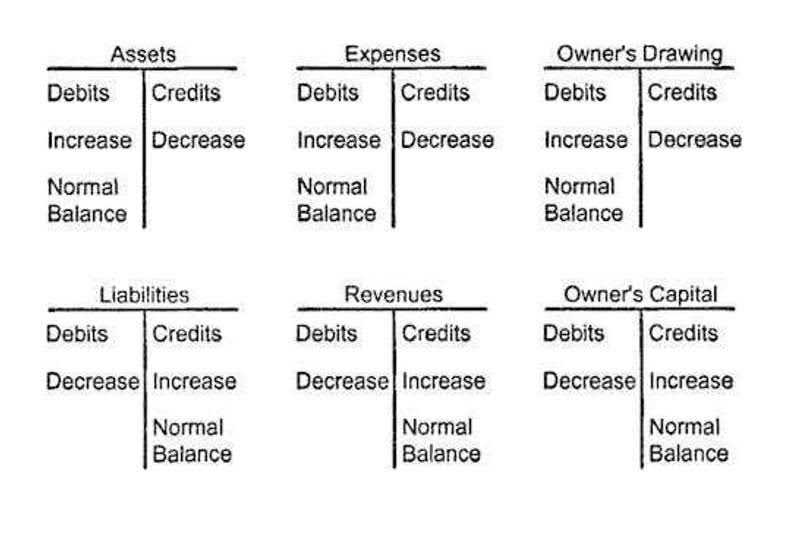
Accounting Treatment for Construction in Progress
- One of the key purposes of CIP is to provide transparency in financial reporting.
- It will use cement from its own inventory, therefore, debiting the inventory account.
- Properly recording CIP ensures that a company’s financial statements accurately reflect ongoing projects and provide valuable insights into budgeting, forecasting, and overall financial health.
- CIP stands for “Construction in Progress” in accounting and is used to track costs like materials, labor, and overhead expenses before the asset is complete.
With construction companies quickly evolving, there are more categories and accounts to consider, creating unique challenges for this industry. Among them, learning how to record construction in progress accounting stands out. An extra benefit of planning software is that it can help you take advantage of emerging tax bonuses. Tax legislation changes all the time so, when a fixed asset project takes years to complete, you may find your company eligible for tax benefits before the project is fully completed. Using asset templates that contain the proper tax depreciation methods, and lives ensures a maximum tax depreciation deduction the company is entitled.
The Basics of Sage Fixed Asset Planning
CIP allows for a more accurate portrayal of a company’s financial position and performance, providing stakeholders with the necessary information to make sound judgments. Construction-in-progress (CIP) is an account in which the costs incurred to build a fixed asset are stored. This account is only used while an asset is being constructed, after which the total cost is shifted to another fixed asset account.
- The timespan on these types of fixed assets require varied management processes.
- CIP is classified as an asset rather than an expense, representing the company’s investment in ongoing projects.
- First, because on large, long-term construction projects, small amounts can quickly add up to large expenses.
- Once the project is completed, transfer the total CIP balance to the appropriate fixed asset account.
- Preventing overlooked costs and other discrepancies begins with diligent cost tracking.
- CIP serves as a bridge between the costs incurred during the construction phase and the asset’s operational status.
- Our consultants have extensive fixed asset experience – they’re fixed asset experts.
How does CIP treatment differ from R&D capitalization?
- Exclude general administrative overhead, management review time, and other indirect costs that would occur regardless of specific project activity.
- The construction work in progress account is a prime target of auditors, since costs may be stored here longer than they should be, thereby avoiding depreciation until a later period.
- Proper capitalization ensures the future cost of the asset is systematically allocated as depreciation expense over its useful life.
- The CIP account is a holding account and must be zeroed out once the construction project is complete.
- Concurrently, the CIP account is credited for the identical amount, reducing its balance to zero.
Since construction projects are often multi-phase and lengthy, CIP accounting monitors these costs as assets, simplifying capital investment tracking. When a project is complete, the cumulative CIP balance transfers to a fixed asset account, and depreciation begins. Once a construction project is finished, the costs in the CIP account move to a fixed asset account. This step helps with financial reporting, updating how these costs are perceived and managed.
Automating CIP Management with Fixed Asset Software
This capitalization process ensures the total cost of what is cip in accounting the new asset is recognized over its useful life through depreciation, aligning expenses with the revenues the asset helps generate. Recognize the loss when management makes a substantive decision to abandon or significantly curtail the project. Document the abandonment decision, board approval of the write-off, and lessons learned analysis. Assets under construction provide no current economic benefit, making depreciation inappropriate.
Challenges in CIP Accounting
This account captures all expenditures required to bring a large-scale fixed asset to operational readiness. The creation of the asset is the sole focus, and the expenditures are deferred from the income statement until this creation phase concludes. The accumulated costs held within CIP are https://superk.buhaescu-gabriel.com/the-top-25-spend-analysis-software-in-2026/ treated as a capital expenditure rather than an immediate operating expense.
How CIP Is Represented on the Balance Sheet
CIP accounting is a critical aspect of financial management for construction and asset-intensive businesses. By understanding its principles, adopting best practices, and leveraging tools like Planyard, you can ensure accurate cost tracking, enhance transparency, contribution margin and make informed financial decisions. This guide will break down its meaning, importance, and practical applications while addressing common challenges and solutions.
Leave a Reply